
Your email address will not be published. Required fields are marked *
Our expert reaches out shortly after receiving your request and analyzing your requirements.
If needed, we sign an NDA to protect your privacy.
We request additional information to better understand and analyze your project.
We schedule a call to discuss your project, goals. and priorities, and provide preliminary feedback.
If you're satisfied, we finalize the agreement and start your project.
is transforming the way mental health professionals manage their practices. By integrating various tools into a single platform, software therapy solutions streamline administrative tasks, enhance patient care, and improve overall practice efficiency. From scheduling and billing to electronic health records, software therapy provides a comprehensive approach to managing mental health and therapy practices, allowing therapists to focus more on patient outcomes and less on administrative burdens.


































Software for Therapists includes various tools designed to support the administrative and operational needs of therapy practices. This software typically features appointment scheduling, billing, and patient record management, providing therapists with a comprehensive solution to manage their practices more efficiently and improve patient care.
Mental Health Practice Management involves the use of specialized software to manage the operations of a mental health practice. This software includes features such as scheduling, billing, and electronic health records management, tailored to the needs of mental health professionals. By utilizing mental health practice management software, professionals can enhance their practice’s efficiency and focus more on providing quality care.
Practice Management Software for Therapists offers a range of features to support the daily operations of therapy practices. This software includes functionalities such as appointment scheduling, billing, and electronic health records management, helping therapists manage their practices more effectively and improve overall efficiency.
Private Practice Software is designed to meet the needs of private practitioners, offering tools for managing various aspects of their practice. This software includes features such as scheduling, billing, and patient record management, helping private practices streamline their operations and enhance patient care.
Therapist Practice Management Software provides a comprehensive solution for managing the administrative tasks of a therapy practice. This software includes functionalities such as appointment scheduling, billing, and electronic health records management, helping therapists improve their practice’s efficiency and deliver better patient care.
Therapist EHR (Electronic Health Records) is a vital tool for managing patient records in a therapy practice. This software provides a secure and accessible solution for storing and managing patient information, enhancing accuracy and efficiency in record keeping.
Therapy EHR Systems offer advanced solutions for managing electronic health records in therapy practices. These systems provide features such as secure storage, easy access, and accurate record management, helping therapists improve their practice’s efficiency and ensure high-quality patient care.
Best Therapy Software offers a range of features to support the needs of therapy practices. Key aspects to consider include ease of use, integration capabilities, and customer support. The best therapy software solutions provide comprehensive tools for scheduling, billing, and record management, helping therapists optimize their practice operations.
Best Software for Therapists includes a variety of tools designed to support the administrative and operational needs of therapy practices. These software solutions offer features such as appointment scheduling, billing, and electronic health records management, helping therapists enhance their practice’s efficiency and patient care.
Private Practice Management Software offers a complete solution for managing the various aspects of a private practice. This software includes functionalities such as scheduling, billing, and patient record management, providing private practitioners with the tools they need to streamline their operations and improve patient care.
Counseling Practice Management involves using specialized software to manage the operations of a counseling practice. This software includes features such as scheduling, billing, and electronic health records management, tailored to the needs of counselors. By leveraging counseling practice management software, professionals can enhance their practice’s efficiency and deliver high-quality care.
Best Therapy Practice Management Software offers a range of features to support the needs of therapy practices. Key considerations include functionality, ease of use, and customer support. The best software solutions provide comprehensive tools for managing appointments, billing, and patient records, helping therapists optimize their practice operations.
Online Therapy Software provides tools for delivering therapy services remotely, enabling therapists to conduct virtual sessions with patients. This software includes features such as secure video conferencing, appointment scheduling, and electronic health record management. By utilizing online therapy software, therapists can expand their reach, enhance patient access, and streamline their practice operations.
Therapist Management Software offers tools for managing various aspects of a therapy practice, including scheduling, billing, and record management. This software helps therapists streamline their operations, reduce administrative tasks, and improve patient care, leading to a more efficient and effective practice.
Practice management software is designed to streamline the day-to-day operations of medical practices. Here are some key features commonly found in practice management software: Appointment Scheduling: Allows staff to book, reschedule, and cancel patient appointments efficiently, often with automated reminders. Billing and Coding: Facilitates the management of patient billing, insurance claims, and coding for services provided, helping ensure accurate and timely reimbursements. Patient Records Management: Offers tools for storing and managing patient information, including medical history, treatment plans, and visit notes. Patient Communication: Enables secure communication with patients via email or messaging, including appointment reminders and follow-up instructions. Reporting and Analytics: Provides insights into practice performance through customizable reports and dashboards, helping track key metrics such as patient volume and revenue. Insurance Verification: Automates the process of verifying insurance coverage and eligibility, reducing manual administrative work. Electronic Prescribing: Allows healthcare providers to send prescriptions electronically, improving efficiency and reducing errors.
When choosing practice management software, consider the following features to enhance your practice’s efficiency: Integrated EHR Systems: Seamlessly integrates with Electronic Health Records (EHR) systems to streamline patient information management. Workflow Automation: Automates routine tasks such as appointment scheduling, reminders, and follow-ups to reduce administrative burden. Customizable Templates: Offers customizable templates for patient records, billing, and other documentation to suit the specific needs of your practice. Compliance Tools: Includes features to ensure compliance with industry regulations and standards, such as HIPAA. User-Friendly Interface: Provides an intuitive interface that is easy for staff to learn and use, minimizing training time.
Practice management software performs several critical functions to support the daily operations of a medical practice: Scheduling and Appointments: Manages patient appointments, including scheduling, rescheduling, and cancellations, and sends automated reminders to reduce no-shows. Billing and Claims Management: Handles billing processes, including generating invoices, processing payments, and managing insurance claims and reimbursements. Patient Data Management: Stores and organizes patient information, including medical histories, treatment plans, and visit records, in a secure and accessible manner. Reporting and Analytics: Generates reports and analytics to track practice performance, financial metrics, and patient care outcomes. Insurance and Eligibility Verification: Streamlines the process of verifying patient insurance coverage and eligibility, ensuring accurate billing and reducing administrative errors.
Medical practice management software is tailored to meet the specific needs of healthcare providers. Key features include: Integrated Billing and Coding: Facilitates accurate billing and coding for various medical services and procedures. Appointment and Scheduling Tools: Provides comprehensive scheduling tools to manage patient appointments and staff availability. Patient Portal Access: Offers a patient portal for scheduling appointments, accessing medical records, and communicating with the practice. Financial Management: Includes tools for managing practice finances, such as tracking revenue, expenses, and generating financial reports.
Practice management software performs a variety of functions to enhance practice efficiency and patient care: Appointment Management: Schedules, tracks, and manages patient appointments and follow-ups. Billing and Collections: Handles the billing process, including generating invoices, processing payments, and managing insurance claims. Patient Information Management: Maintains and organizes patient records, including medical histories and treatment plans. Reporting and Performance Tracking: Provides tools for generating reports and analyzing practice performance metrics.
When selecting a practice management system , consider the following requirements to ensure it meets your practice’s needs: Scalability: Ensure the system can grow with your practice, accommodating an increasing number of patients and staff. Integration Capabilities: Look for compatibility with other systems, such as EHR and billing software, to streamline operations. User-Friendly Interface: Choose a system with an intuitive interface that is easy for your team to navigate and use. Data Security: Ensure the system has robust security features to protect patient data and comply with regulations. Customization Options: Select a system that offers customizable features and templates to meet the specific needs of your practice.


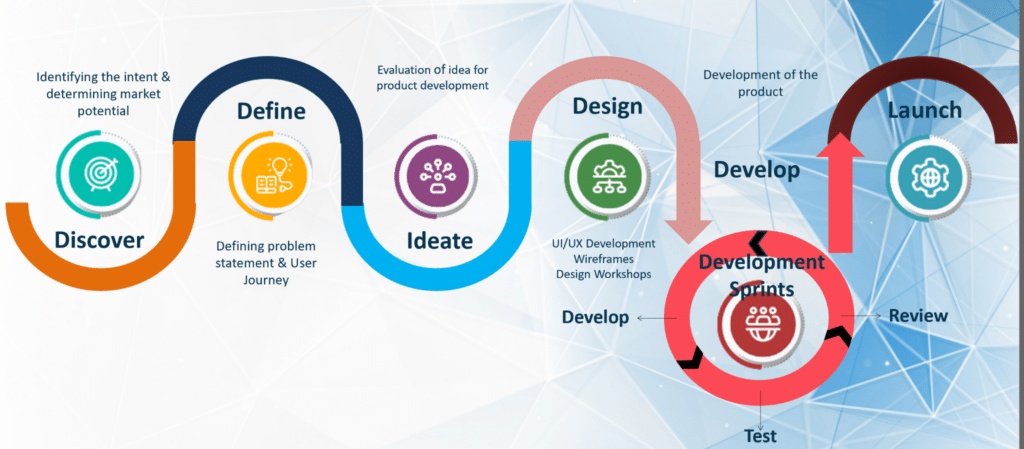
✔ Agile & User-Centric – Accelerated MVP development for faster market entry.
✔ Shortest Time-to-Market – Our TURBO framework ensures speed & efficiency.






Software needs must be collected and assessed to generate an accurate SRS.
Refine feedback and finalize design procedures before creating the development roadmap.
Develop the solution using UI/UX design principles while maintaining security measures and performing compliance and performance testing.
Beta launch followed by a live release.
The maintenance and support phase involves round-the-clock monitoring of systems, analysis of client feedback, and ongoing improvements.
Languages
 Python
 Java
Java C++
C++ .Net
.Net Laravel
 PHP
PHP Angular
 WordPress